


The AIRWAY IMPERATIVE: Screening your Patients, Part 2

 A physical screening exam shouldn’t take more than five minutes and begins the moment your patient walks in the door from the waiting room towards the operatory. Here are a few key factors to look for:
What do you observe as they are walking in? For example, is their head tilted back with their mouth open? This posture is often observed in someone who cannot nasal breathe.
 Take their weight and figure out their BMI. This is important because obesity is one of the key factors leading to Obstructive Sleep Apnea (OSA).
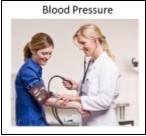
Take their blood pressure. Elevated blood pressure is a key symptom of an airway obstruction.
Look at their profile. Do they exhibit a Class ll skeletal relationship? In other words, does their mandible seem placed back in relationship to the maxilla? This can often be determined by visual examination alone and is important because people with a retruded mandible have a higher incidence of Obstructive Sleep Apnea. Early recognition of this growth and development issue in children is critical because at this stage in their development it can often be corrected with orthodontic therapy.
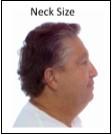 Measure their neck size. Regardless of whether you are screening a male adult, a female or a child, a large neck size can be an indicator of an airway issue.
Check for signs of being a mouth breather/allergy sufferer. Does the patient have chapped lips? Runny nose? Red puffy eyes?
So far you haven’t even looked in their mouth...and you already have gathered key information that might indicate an airway problem.
Click this link for the complete text of The Role of Dentistry in the Treatment of Sleep Related Breathing Disorders. –
or visit ADA.org/sleepapnea for more information.
SML – Your Source for All Things Airway™

WANT TO KNOW MORE?
Visit our Website at https://www.smlglobal.com/airway-health and discover a world of
airway & sleep appliances, products, supplies and information.